|
Home
Introduction
The Problem
NIDA
The Solution
References
|
A private effort
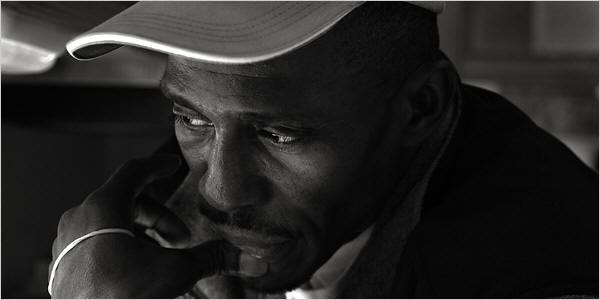
to exchange needles has been run by a local man named Ron Daniels. For
years he and his staff of four, have been the only needle exchange
program to run the streets of D.C. On the move, tirelessly driving from
drug corner to drug corner across the rougher parts of the district,
counseling the addicted and swapping clean needles for dirty ones [16].
 [34] [34]
Daniels, the director of Prevention works, is armed with a shoestring
budget of $385,000 in private donations, a small fraction of what
programs in other major cities receive in state and local funds. “This
city’s situation is totally improper,” said Representative Jose Serrano,
the New York Democrat who heads the subcommittee responsible for the
Washington appropriations bill. “It’s politically obscene to have
Congress tell the District of Columbia that it can’t use local funds for
something like needle
exchange programs, which have been proven to have a major effect on
fighting a deadly disease.” Washington was among the first cities
nationally to create an AIDS monitoring office after the virus appeared
in the United States. But it has slid backward in its fight against the
disease, which is commonly spread by intravenous drug users sharing
needles. Daniels program is just a microcosm for what the city should
actually be doing. “For every person I help, there are seven more I
can’t reach” Said Daniels who describes his program as providing a thin
wall between the city’s drug problem and AIDS epidemic [17].
Critics of needle exchange programs argue that rather than reducing the
suffering of drug users and preventing them from spreading the diseases,
that the programs foster further drug use. Daniels says that his
program, which reaches about a third of Washington’s estimated 9,700
intravenous drug users, relies on clean syringes to attract users so he
and his staff can counsel them about HIV testing and drug rehabilitation
[18]. |